

Guttering and Downpipe Replacement Can Enhance Your Home's Curb Appeal
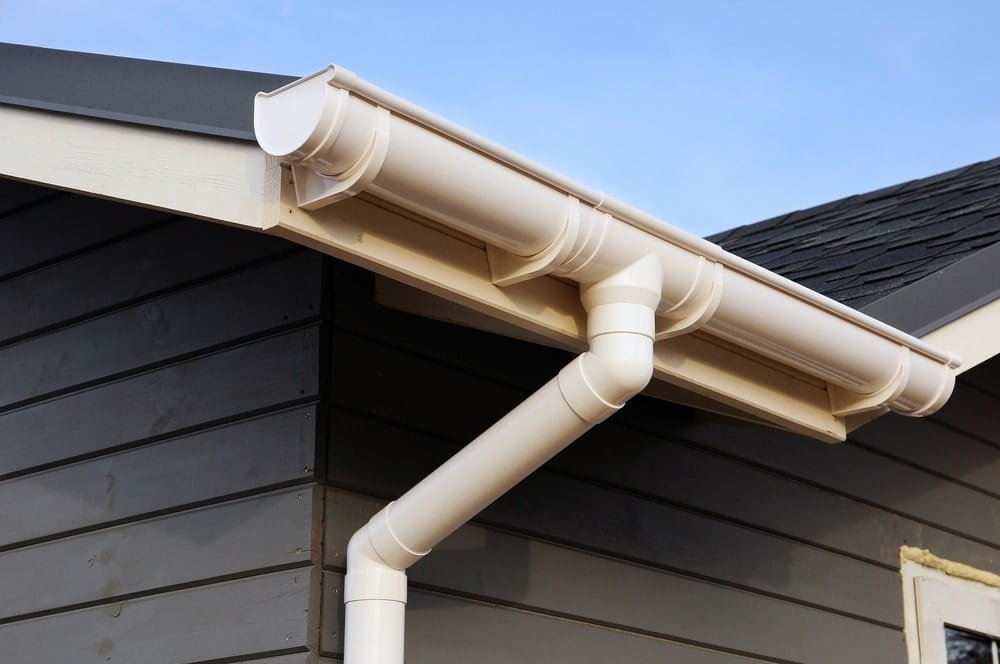
Gutters are trough-like steel structures that collect rainwater from your roof and channel it down. They safeguard your home from water damage and improve its curb appeal if they are maintained properly.
Downpipes are an essential second step in the gutter system, which directs water to the proper drainage area. Properly installed and maintained downpipes prevents clogs and ensures effective water flow.
Damaged Gutters and Downpipes
Gutters safeguard your home by redirecting water away. They prevent damage to walls and foundations. Gutters are often neglected until they start to fail. However, regular maintenance and inspections can prevent many problems.
If your gutters are leaky or sagging or damaged, they must be replaced. This will avoid expensive water damage to your home and ensure that your gutters are working effectively to safeguard it.
The best way to avoid these problems is to employ an expert for your gutter replacement. During the installation process you should inquire about insurance to ensure you're covered in the event of damage or accidents to your property. Choose a contractor that collaborates with manufacturers who provide warranties and a workmanship guarantee. You will have peace of peace of mind knowing that your gutters and drainpipes will be properly installed.
The most common problem with gutters is when they are overflowing with leaves, twigs and other debris. This can cause your gutters to overflow, which can damage your roof, walls and foundation. You can fix this by regularly cleaning your gutters and checking them for blockages. You can change your gutters if they're sliding and pulling away from your home.
Another issue with gutters is those that are either too low or poorly inclined. This leads to water flowing down into your basement, causing structural damage. A professional can assist you in finding the proper guttering system for your home, and make sure it is properly pitched to keep water from flowing into your basement.
Downpipes are an important component of your gutter system as they channel rainwater away. If your downpipes are clogged or damaged, they can't do their job. You can quickly determine if your downpipes are clogged by using an ordinary garden hose to flush out the clog. Install a downpipe splashblock in order to reduce the amount of water that flows into your downpipe from the gutter.
You can also repair downpipes that are leaking or damaged by putting on new gutter sealant. Make sure you wear safety glasses and gloves while repairing your gutters to prevent injuries. After repairing a knockout post must clean up the area to avoid slipping and falling.
Clogged Gutters and Downpipes
While gutters and drainpipes are designed to allow rainwater to be diverted away from your home, they can be blocked by debris, leaves and even animals. This can cause problems which require the assistance of a roof plumbing professional to repair. If the clog is severe then removing and replacing the downpipe may be necessary. Regular cleaning and maintenance will aid in preventing the accumulation of gunk which causes clogged pipes.
To clear a clogged downpipe begin by climbing up the ladder to gain access. Place a bucket underneath the downpipe to collect the debris that you'll be getting rid of. Make sure the ladder is secure and ask someone to hold it while you work. It is also recommended to wear gloves to avoid coming in contact with dirt or grit. Once you have located the downpipe then turn on the water and make use of a hose for flushing out any remaining gunk and debris. If the clog persists Try adding an in-line nozzle to the other end of the hose to increase the pressure of the water and assist in removing any obstructions that remain.
Examine for any other issues in the gutters and downpipes after cleaning the gutter. If you notice rust cracks, holes, or penetrations These should be repaired by a roof plumbing professional as soon as possible to avoid further damage and water leakage.
The clogged gutters can also cause soil erosion that can impact the health of your garden and plants. Rainwater that flows continuously over gutters can create spots of mud, which could cause damage or ruin to the soil beneath. This moisture can also collect around the foundation of a building and cause structural damage if left unchecked.
The blocked gutters are also a safety hazard for pets and children. The water that is overflowing can form puddles or ponds that are dangerous for children and pets to play in. If an infant falls into a pond, he may be seriously injured. It is also risky trying to retrieve an animal that has drowned in the pond. Drains and gutters that are blocked can also cause rust and peeling paint on the exterior of your home.
Water Damage
Guttering and downpipes don't just collect rainwater, they are essential in redirecting water away from your home. If the drainage system isn't working properly, then water can overflow and seep into places it shouldn't, such as your foundations or basement. This will cause rot, and it could potentially lead to structural damage.
Leaking gutters can also be an issue, particularly if the water drips across the sides of your house. This can harm paint, stain woodwork and promote the growth of mould. Even a tiny leak could cause damage over the long-term so it is important to repair any issues with guttering and downpipes immediately.
A quality gutter system is a crucial element of your home, which is why it's worth investing in the top products. Gutters that are of high quality are essential to a functioning roof and drainage system regardless of whether you're building a house, re-roofing an existing home, or performing some routine repairs.
By selecting the best material, you can ensure that your gutters and downpipes will last for many years before they need to be replaced. Choosing the right size and shape will maximize water flow and reduce the possibility of blockages. Gutter accessories such as gutter guards and downpipe leaf catchers further help reduce the maintenance requirements by preventing the accumulation of debris.
Seals can get damaged or worn out over time, causing your gutters to leak. You can clean the seals to make them watertight again, but in some instances, you might require replacing them completely.
Regular maintenance can prevent clogs. This is done by cleaning the gutters at least twice a year, in spring and in the autumn. Also, check the downpipes for signs of wear, including cracks or broken spots that could lead to leaks. Also, ensure that the outlet is directed away from the foundations of your home. Ideally, this should be performed by gutter contractors who have the skills and access equipment to thoroughly inspect and repair downpipes.
Curb Appeal
Many homeowners have heard about curb appeal, particularly when they are preparing to sell their home. This isn't an aspect of homeownership that is superficial. It can have a significant effect on the number of buyers as well as the quality of those buyers, as well the price of your house.
This first impression is created in the space of only eight seconds and it's essential to make your home stand out from the rest. A study by Virginia Tech found that homes that have a well-maintained exterior sold for between 5.5 percent and 11% more than homes with a shabby exterior.
Planting flowers, shrubs and trees around your house is a great idea to improve curb appeal. The plants will not only look good and look beautiful, but they'll also assist to create a healthy and lush environment for your backyard. The best part is that you don't require a large budget to create a beautiful landscape. A few easy DIY projects will allow you to create the perfect garden and will increase the curb appeal of your home.
Add some decorative accents to the front door or entranceway to improve curb appeal. A wreath or new house numbers for instance, can help bring your front door in line and make it feel more welcoming.
If you want to make a more substantial enhancement to your curb appeal, you might consider painting or re-installing your mailbox. It's a cost-effective option to instantly improve the appearance of your home. It also offers an immediate return on investment.
It may seem to be an overwhelming amount of work when you're trying to sell your home but it can affect the number of buyers you'll get and the amount of money they're willing to pay for your home. In addition, many prospective buyers will compare your home's design to other homes in the area and will only visit properties that have attractive exteriors.